Understanding Ceiling Stains: A Comprehensive Guide
Ceiling stains are a common problem for homeowners in Seattle, often indicating underlying issues that need immediate attention. Ignoring these stains can lead to more significant damage and costly repairs. This article provides a detailed overview of different types of ceiling stains, their causes, and effective solutions for addressing them.
Types of Ceiling Stains and Their Causes
Identifying the type of stain is crucial for determining its cause and the appropriate course of action. Here are some common types of ceiling stains:
- Water Stains: Typically brown or yellowish, these stains are caused by water leaks from the roof, plumbing, or condensation. They often appear after heavy rain or plumbing issues.
- Mold and Mildew Stains: These stains are usually black, green, or gray and indicate excessive moisture and poor ventilation. They pose health risks and require immediate remediation.
- Smoke Stains: Yellowish or brownish stains caused by smoke from fireplaces, cooking, or candles. They can be difficult to remove and may require specialized cleaning products.
- Nicotine Stains: Similar to smoke stains, these are caused by cigarette or cigar smoke and can also be difficult to remove.
- Rust Stains: These reddish-brown stains are often caused by rusty pipes or fixtures located above the ceiling.
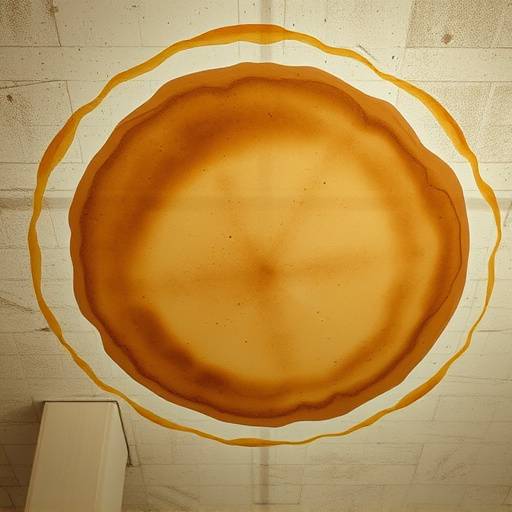
Understanding the origin of the stain will help in selecting the most effective treatment.
Table of Common Stain Types and Causes
| Stain Type | Common Causes |
|---|---|
| Water Stains | Roof leaks, plumbing leaks, condensation |
| Mold/Mildew | High humidity, poor ventilation, leaks |
| Smoke Stains | Fireplace use, cooking, candles |
| Nicotine Stains | Cigarette or cigar smoke |
| Rust Stains | Rusty pipes or fixtures |
Effective Cleaning Methods for Ceiling Stains
Once you've identified the type of stain, you can choose the appropriate cleaning method. Always test the cleaning solution in an inconspicuous area first to ensure it doesn't damage the ceiling.
- Water Stains: After fixing the leak, clean the stain with a mixture of water and mild detergent. For stubborn stains, use a solution of bleach and water (always wear gloves and eye protection).
- Mold and Mildew Stains: Use a mold and mildew remover or a solution of bleach and water. Ensure proper ventilation and address the source of moisture.
- Smoke and Nicotine Stains: These stains often require a specialized cleaner designed for removing smoke residue. You may need to repaint the ceiling after cleaning.
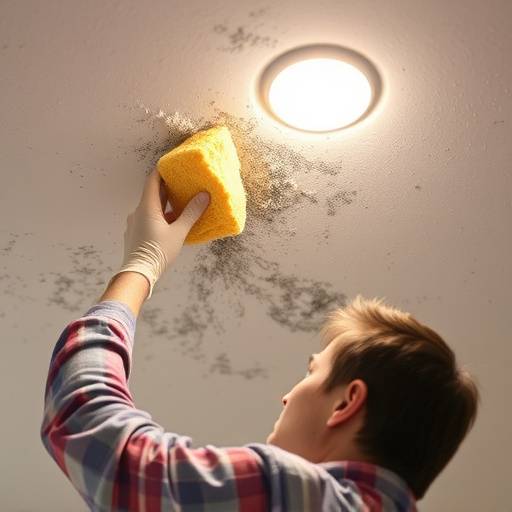
Remember to always wear protective gear, such as gloves and eye protection, when using cleaning solutions.
Repair Strategies for Damaged Ceilings
In some cases, cleaning alone may not be enough, especially if the stain has caused significant damage to the ceiling. Here are some repair strategies:
- Painting: After cleaning the stain, apply a stain-blocking primer and then repaint the ceiling. This will help prevent the stain from reappearing.
- Patching: For small holes or cracks, use drywall compound to patch the area. Sand it smooth and then paint.
- Replacing: If the damage is extensive, you may need to replace the affected section of the ceiling.
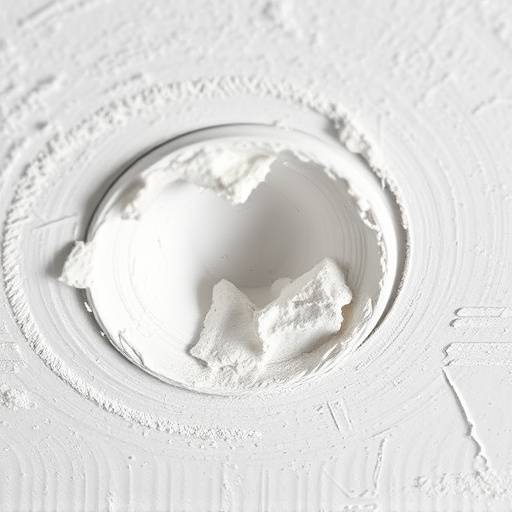
Consider hiring a professional if you're not comfortable with these repairs.
Prevention Methods to Avoid Ceiling Stains
Preventing ceiling stains is always better than having to deal with them. Here are some tips to help prevent ceiling stains in your home:
- Regular Roof Inspections: Inspect your roof regularly for leaks, especially after heavy rain or storms.
- Maintain Plumbing: Fix any plumbing leaks promptly to prevent water damage.
- Ensure Proper Ventilation: Improve ventilation in bathrooms and kitchens to reduce moisture buildup.
- Use Exhaust Fans: Use exhaust fans when cooking or showering to remove excess moisture.
- Control Humidity: Use a dehumidifier to control humidity levels in your home, especially in damp areas.
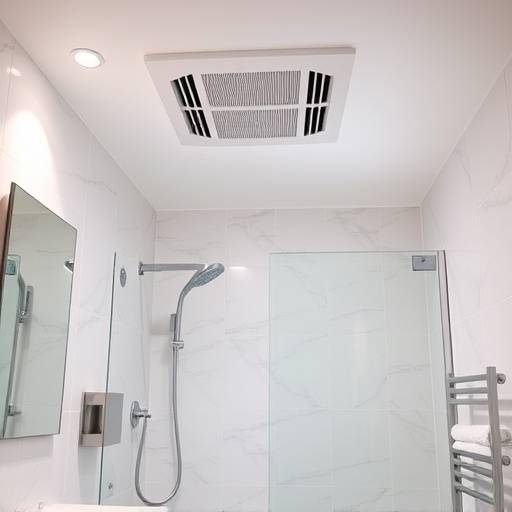
By taking these preventive measures, you can significantly reduce the risk of ceiling stains and maintain a healthy home environment.
Additional Resources
For further information on ceiling stain removal and prevention, consider the following resources:
- Consult with a local Seattle home inspection service for a comprehensive assessment of your home's condition.
- Visit the Seattle Public Library for books and articles on home maintenance and repair.
- Contact the City of Seattle Department of Construction and Inspections for information on building codes and regulations.
Disclaimer
The information provided in this article is for general informational purposes only and does not constitute professional advice. Always consult with qualified professionals for specific advice related to your home and situation. CeilingGuard is not responsible for any damages or losses resulting from the use of this information.